
How a New Roof Improves Your Home's Energy Efficiency
Energy bills take a big chunk out of a household budget, especially during extreme weather months. If your roof isn’t helping regulate indoor temperature, you’re spending more than you need to on heating and cooling. A new, properly designed roof can make a meaningful difference — not just in comfort, but in monthly cost.
Here’s how roofing affects energy efficiency and what to look for when you’re replacing or upgrading.
What Energy Efficiency Means for a Roof
Energy efficiency in roofing means the system helps maintain a stable indoor temperature — keeping warm air in during winter and cool air in during summer. Materials, insulation, ventilation, and installation quality all contribute.
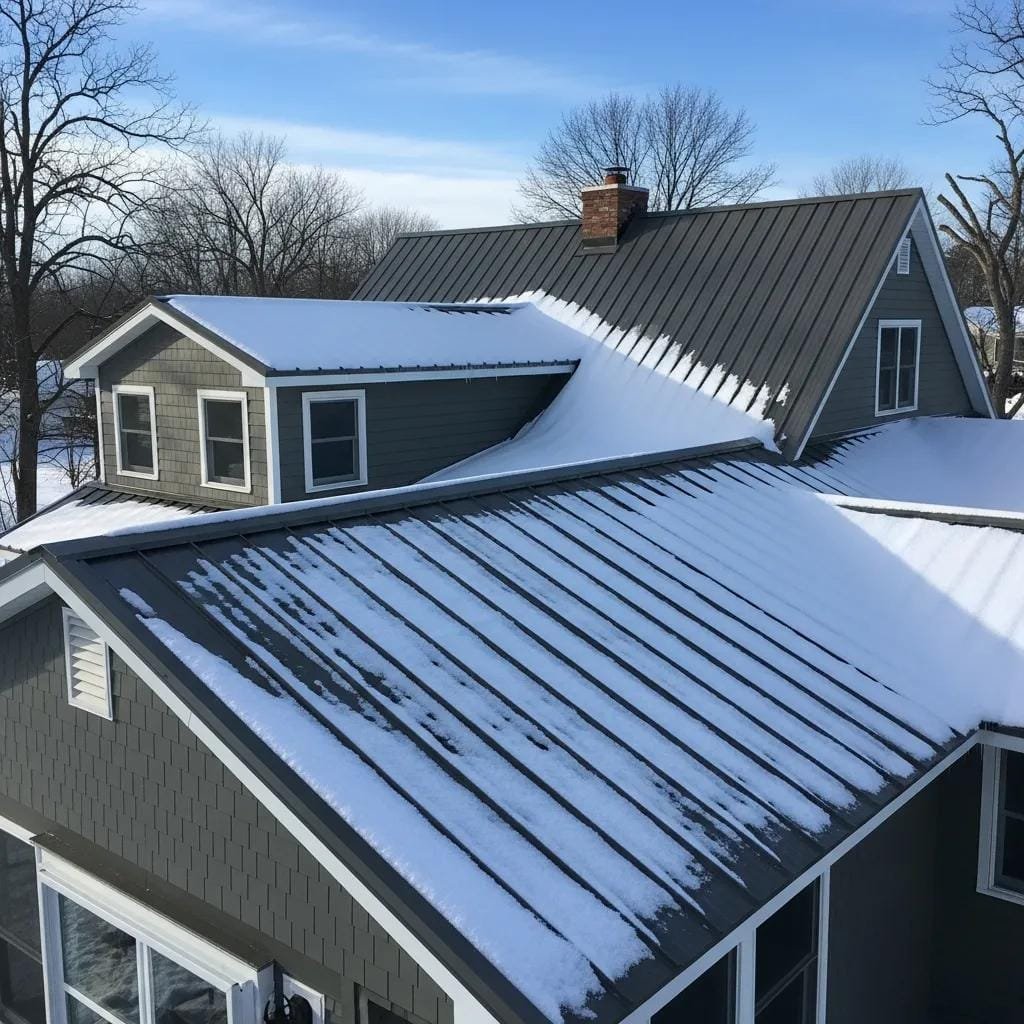
Different roofing materials handle heat differently. Asphalt shingles, while affordable, absorb heat, which can raise cooling costs in the summer. Metal roofs reflect sunlight more effectively, keeping homes cooler and often qualifying for Energy Star ratings. Flat roofs with reflective coatings or cool-roof membranes can also deliver meaningful savings.
For a climate like Northern Michigan, where winter heating costs are the larger concern, the priorities shift toward insulation, air sealing, and ventilation — which all happen when the roof comes off and a new one goes on.
Benefits of an Energy-Efficient Roof
A new roof designed with efficiency in mind delivers:
- Lower utility bills — better insulation and temperature regulation reduce heating and cooling costs
- More consistent indoor comfort — fewer hot and cold spots, fewer drafts
- Environmental benefits — lower energy consumption means a smaller carbon footprint
- Property value — energy-efficient features increasingly matter to buyers
Over the life of the roof, these savings add up. A more efficient system also reduces strain on your HVAC equipment, extending its life too.
Key Features of an Energy-Efficient Roof
Reflective coatings
On metal roofs especially, reflective finishes bounce sunlight away from the roof, reducing heat absorption and keeping the home cooler in summer. Even in Northern Michigan, summer cooling savings from a reflective roof are real.
Proper ventilation
Adequate airflow between the soffit vents and ridge vents is one of the single most important things for an energy-efficient roof. Good ventilation prevents heat buildup in summer, reduces ice dam formation in winter, and keeps moisture from building up year-round. Many older homes have undersized or blocked ventilation — and fixing it during a roof replacement is far easier than retrofitting later.
Insulation
A well-insulated attic is a barrier that keeps unwanted heat out in summer and warmth in during winter. Most Michigan homes should have R-38 or higher in the attic — older homes often have R-19 or less, leaving significant savings on the table. A roof replacement is the best opportunity to upgrade insulation.
Air sealing
Heat loss often isn’t about the insulation; it’s about air leaks. Recessed lights, attic hatches, plumbing stacks, and electrical penetrations all leak warm air into the attic, where it melts snow and contributes to ice dams. Sealing those penetrations during a roof project is cheap and massively effective.
Ice and water shield
In Northern Michigan, full-coverage ice and water shield at the eaves isn’t just about leak prevention — it’s also part of the thermal envelope. Properly installed, it reduces heat loss at the most vulnerable point of the roof.
Professional Installation Matters
All of this depends on the work being done right. Quality materials installed poorly don’t deliver the efficiency gains they should. That’s why the choice of contractor matters as much as the choice of material.
Expert installation starts with selecting materials suited to your specific home and climate. From there it’s about:
- Applying reflective coatings correctly
- Installing ventilation with balanced intake and exhaust
- Placing insulation without gaps or compression
- Air sealing penetrations before insulation goes back
- Integrating flashing, ice and water shield, and underlayments into a continuous thermal envelope
A professional crew handles these details as standard practice. A budget installation often skips them, and the efficiency you paid for evaporates.
The Bottom Line
A new roof isn’t just about appearance and weather protection. Done right, it meaningfully improves your home’s energy efficiency — lowering utility bills, making the house more comfortable, and extending the life of your HVAC equipment.
For homeowners in Northern Michigan who want to get the full benefits of an energy-efficient roof, Falcon Roofing can help. We specialize in roof systems designed for this climate, with attention to insulation, ventilation, and air sealing — not just shingles. Reach out for a free estimate and we’ll walk you through how a new roof can cut your energy bills while protecting your home for decades.
Have questions about your roof?
We're happy to help. Give us a call or request a free estimate online.