How Professional Roof Inspections Keep Your Home Safe
Your roof is the most important structural element on your home, but it’s also the one homeowners rarely look at closely. Professional inspections close that gap — they identify hazards before they escalate, verify structural integrity, and provide documentation you’ll need for warranties and insurance.
Here’s what a thorough professional roof inspection actually covers, why it matters, and how to choose the right inspector.
Key Benefits of Professional Roof Inspections
Identifying safety hazards
Trained inspectors examine the roof for signs of water damage, compromised structural elements, and other conditions that threaten the home’s integrity. They assess shingle condition, flashing around chimneys and penetrations, and the condition of decking and support structures. Small issues caught early — a lifted shingle, a cracked seal, a minor leak — stay small. Left alone, they become expensive.
Protecting your warranty and insurance coverage
Manufacturer warranties typically require proof of reasonable maintenance. Some insurance carriers require periodic inspections for older homes, and many offer premium reductions for documented upkeep. A professional inspection report satisfies both and creates a paper trail that supports any future claims.
Ensuring long-term roof integrity
Regular inspections are how you get your roof to reach its rated lifespan. Proactive attention catches wear patterns, ventilation issues, and early signs of failure, giving you time to address them before they become emergencies. That’s the difference between planned maintenance and panicked repairs.
Catching small problems before they escalate
A minor leak that costs $300 to fix today can easily cost $15,000 next year if it goes unaddressed — water damage, mold remediation, insulation replacement, ceiling repair. Early detection is the single most cost-effective thing you can do for your roof.
Improving energy efficiency
A professional inspection doesn’t stop at the shingles. Inspectors assess insulation coverage, attic ventilation, and air sealing — the components that control heat loss and moisture movement. Improvements here can meaningfully reduce heating and cooling costs while extending the roof’s life.
Peace of mind
Knowing your roof is sound before a November lake-effect storm is worth the inspection cost on its own. You stop worrying about what the wind and snow are going to do.
What a Professional Inspection Covers
A comprehensive inspection looks at every critical component of the roofing system:
- Shingles — checking for missing, cracked, curling, or lifted shingles, along with granule loss that signals end-of-life wear
- Flashing — around chimneys, vents, skylights, and valleys — where most leaks actually start
- Roof deck — assessed for soft spots, sagging, and signs of rot from water intrusion
- Penetrations — pipe boots, exhaust vents, and any other point where something breaks the plane of the roof
- Gutters and drainage — clogs, misalignment, and damage that cause water backup
- Attic ventilation — proper airflow from soffit to ridge vent prevents moisture buildup and ice dams
- Insulation — coverage, compression, and signs of moisture damage
- Structural support — rafters, trusses, and load paths for signs of stress or failure
The inspector documents findings with photos and a written report, giving you a clear picture of what’s working, what needs attention, and what the timeline looks like for eventual replacement.
Advanced Inspection Methods
Modern inspections go beyond a visual check. Professional inspectors may use:
- Drones for safely imaging hard-to-access areas and capturing high-resolution visuals without walking the roof
- Thermal imaging to detect moisture intrusion, insulation gaps, and energy loss that aren’t visible to the eye
- Moisture meters at suspect locations to confirm whether water is present inside the structure
These tools add a layer of precision that surface-level inspections miss.
Common Issues Inspections Uncover
After thousands of roof inspections in Traverse City and across Northern Michigan, the most common findings tend to be:
- Hidden leaks and water damage — often undetected until drywall stains show up
- Storm damage — hail, wind, and fallen debris that left subtle but meaningful marks
- Mold or mildew growth — a consequence of poor ventilation and moisture control
- Ventilation problems — inadequate intake or exhaust, leading to heat buildup and ice dams
- Flashing defects — the single most common source of residential roof leaks
- Drainage issues — clogged or misaligned gutters causing water backup at the eaves
- Structural abnormalities — sagging, soft spots, or stress indicators that point to underlying damage
When to Schedule an Inspection
- Twice a year — spring and fall, as part of routine maintenance
- After severe weather — hail, high winds, or ice storms can cause damage that isn’t obvious from the ground
- Before buying or selling a home — inspection reports support negotiation and satisfy buyer due diligence
- If you notice warning signs indoors — water stains, peeling paint, or mold
- Every year for roofs over 15 years old — to catch end-of-life wear before it becomes a leak
Choosing the Right Inspector
Credentials and experience matter more than price. When evaluating roof inspectors, look for:
- Certifications from recognized organizations (NRCA, RCI) or manufacturer programs (GAF Master Elite, CertainTeed SELECT ShingleMaster)
- Industry experience — the more roofs they’ve inspected, the better they spot subtle issues
- Customer reviews — consistent feedback about thoroughness and honesty
- Transparent pricing — itemized estimates with no surprise fees
- Proof of insurance — general liability and workers’ compensation
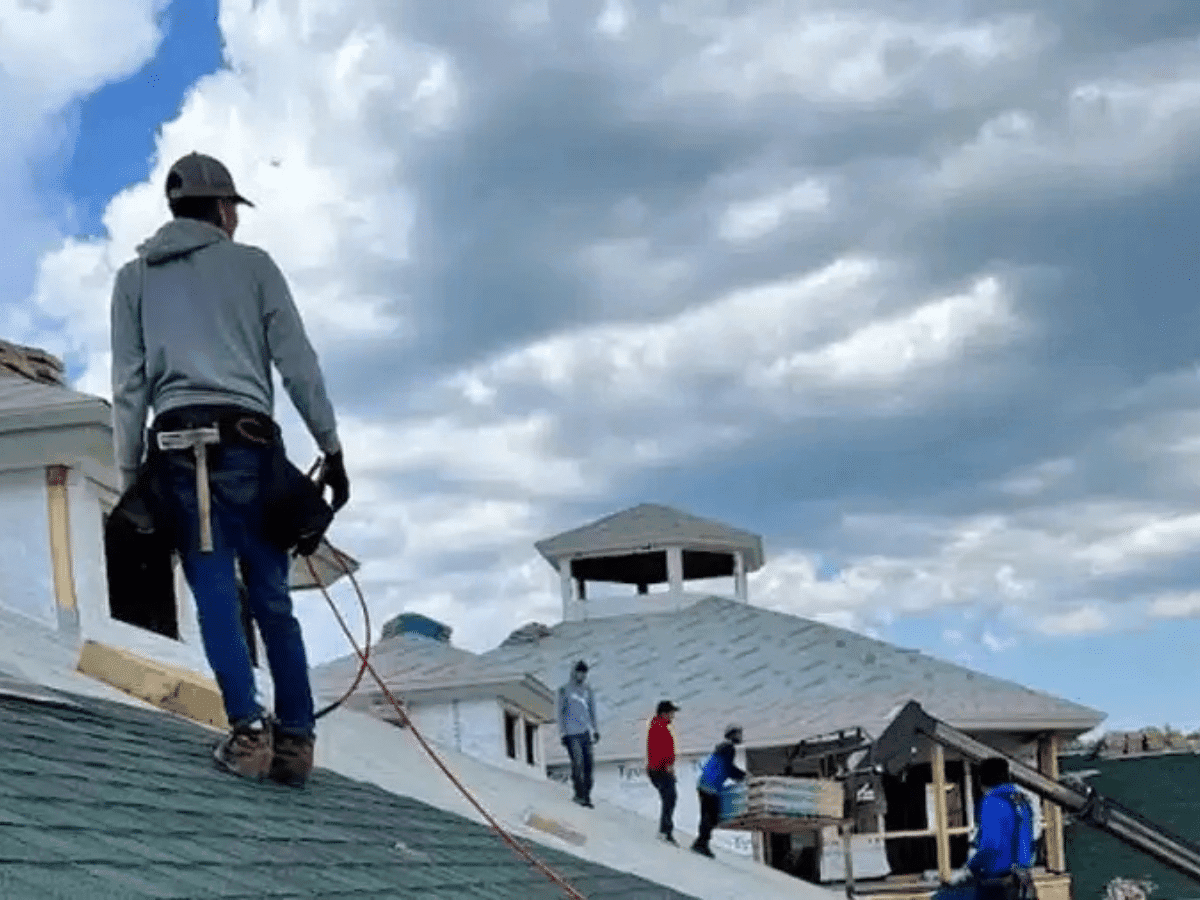
- Clear safety protocols — harnesses, fall protection, OSHA-aligned practices
Long-Term Financial Benefits
The math on regular inspections is straightforward:
| Issue | Cost if Caught Early | Cost if Ignored |
|---|---|---|
| Minor leak | $200–$500 | $5,000–$10,000 |
| Damaged shingles | $300–$700 | $8,000–$20,000 |
| Flashing issues | $400–$800 | $15,000–$30,000 |
Regular inspection is one of the best home-maintenance investments you can make. A $200 inspection that finds a $300 repair saves a $15,000 remediation job down the road.
Work with Falcon Roofing
Falcon Roofing provides thorough, honest roof inspections across Traverse City and Northern Michigan. We document everything with photos, write clear reports, and only recommend work that’s actually needed. Our crews are certified, fully insured, and follow strict safety protocols — because we live here and stand behind the work for the long haul.
Contact us to schedule a professional roof inspection and get a complete picture of your roof’s condition.
Have questions about your roof?
We're happy to help. Give us a call or request a free estimate online.