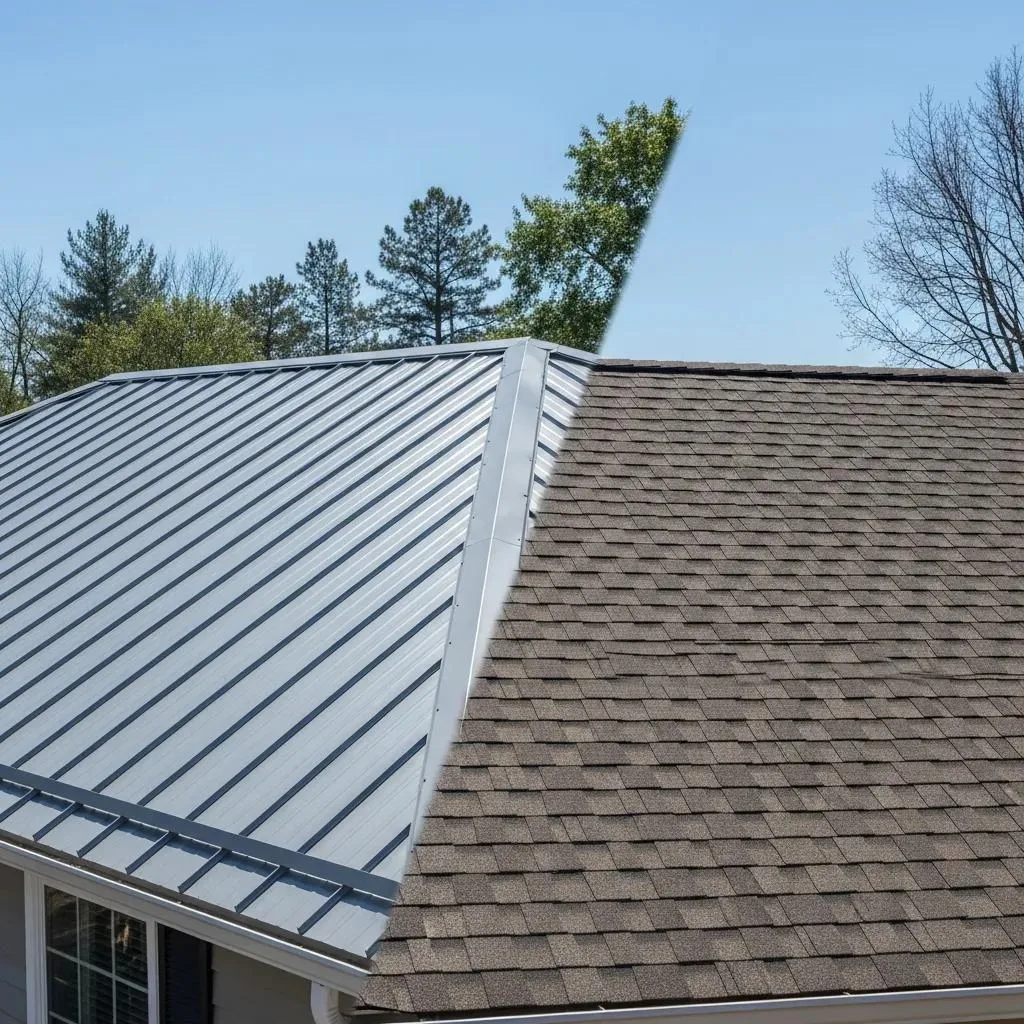
Comparing Metal vs Asphalt Roofing for Traverse City Homes
Picking between a metal roof and asphalt shingles comes down to lifespan, upfront cost, energy performance, and how each handles Northern Michigan weather. Metal roofs often last for decades and need fewer replacements over a lifetime. Asphalt shingles cost less up front but usually need replacing sooner. This guide breaks down expected lifespans, major cost drivers, energy and environmental trade-offs, and Traverse City–specific factors so you can choose the roof that gives the best long-term value. Quick note: Falcon Roofing serves Traverse City and Northern Michigan and installs both metal and asphalt systems, offers free custom estimates, assists with warranties, and supports insurance claims. Read on to compare durability, cost, efficiency, and the local details that matter most.
How Does Metal Roofing Lifespan Compare to Asphalt Shingles?
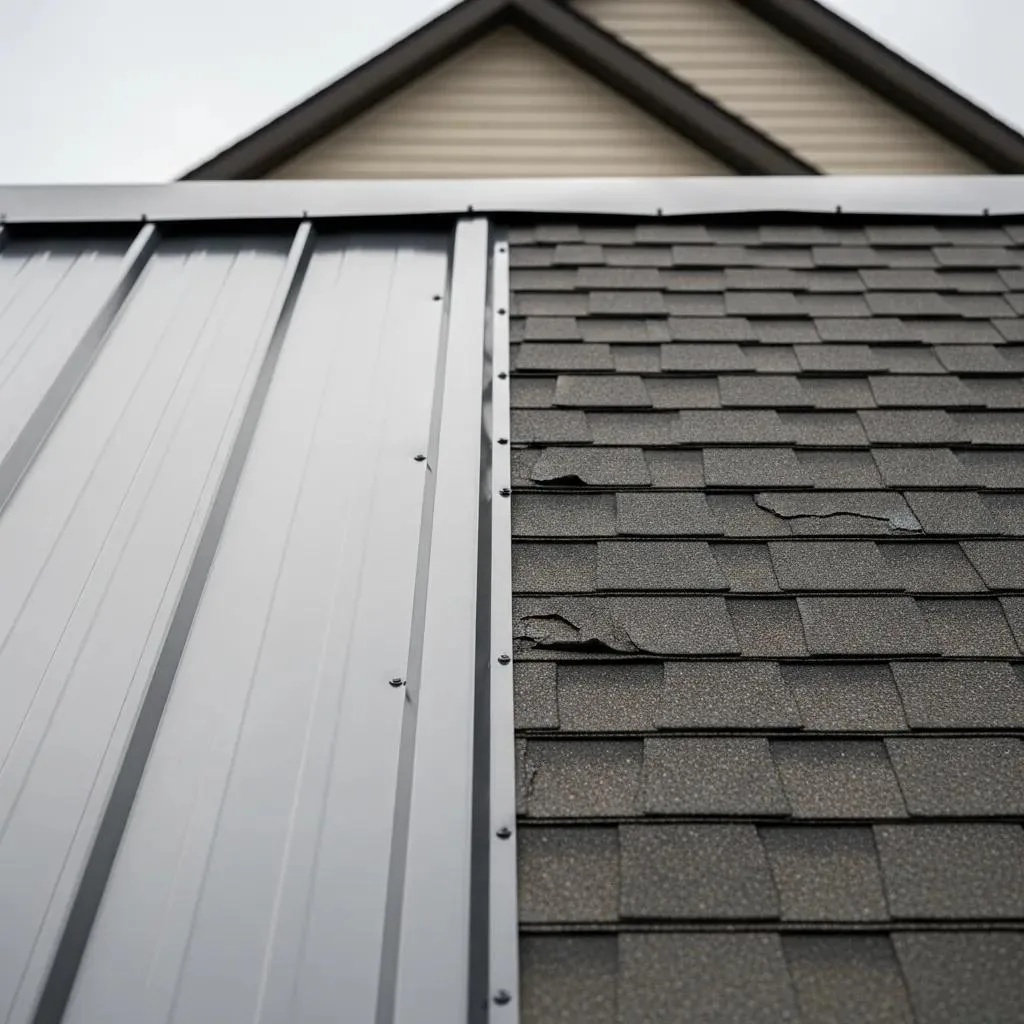
In general, metal roofs outlast asphalt shingles because corrosion-resistant metals and modern coatings slow wear and stand up better to weather. Metal panels and standing-seam systems resist wind uplift, shed snow more easily, and tolerate UV exposure better than many asphalt products, which can lose granules and show surface weathering. The table below summarizes typical lifespans and common failure modes so you can compare quickly and plan maintenance or replacement timing.
| Roofing Material | Typical Lifespan Range | Common Failure Modes |
|---|---|---|
| Metal Roof (steel/aluminum/copper) | 40–70 years | Corrosion (if uncoated), seam failure, fastener wear |
| Asphalt Shingles (3-tab/architectural) | 15–30 years | Granule loss, UV degradation, wind uplift |
| Contributing Factors | n/a | Installation quality, ventilation, maintenance, climate |
Put simply: a properly installed metal roof will often last twice as long—or more—than asphalt under similar care. Understanding these durability differences helps you budget for lifecycle costs and decide when replacement is likely. Next, we look at specific metal types and shingle grades so you can match performance to your home and budget.
What Is the Typical Lifespan of Metal Roofs?
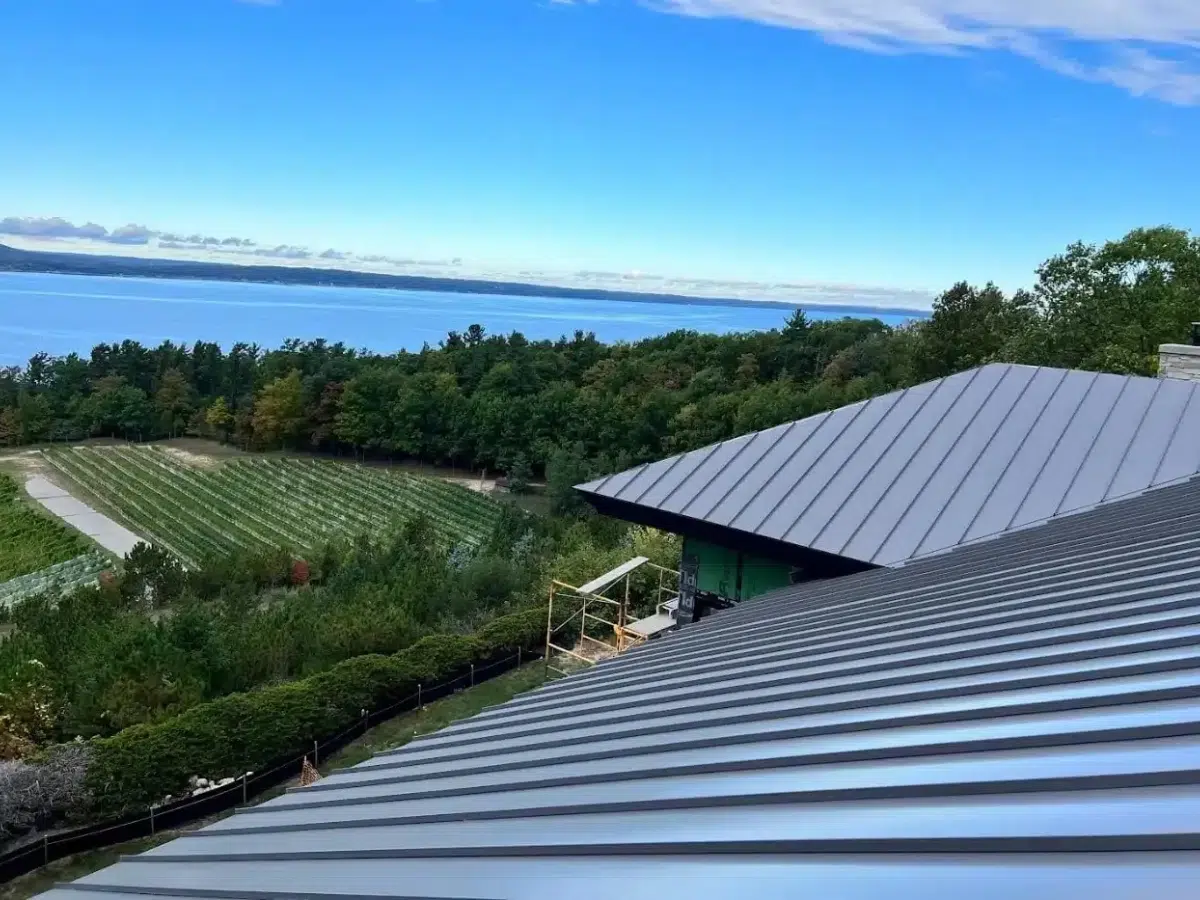
Metal roof life depends on the metal, panel profile, and finish. Galvanized or painted steel typically lasts 40–60 years; aluminum resists coastal corrosion and can reach 40–70 years; premium metals like copper or zinc commonly exceed 50 years with proper detailing. High-performance coatings (for example, PVDF finishes) improve reflectivity and slow chalking and corrosion, extending service life. Routine maintenance—checking seams, replacing worn fasteners, and keeping gutters clear—keeps a metal roof performing well and prevents small issues from growing. Choosing the right metal and finish matters for long-term results.
How Long Do Asphalt Shingles Usually Last?
Asphalt shingle life varies by product and installation. Basic 3‑tab shingles typically last 15–20 years in northern climates, while higher-grade architectural shingles commonly reach 20–30 years with good attic ventilation and correct flashing. Early failures usually result from granule loss from UV exposure, wind lift at edges and valleys, or underlayment breaches from ice dams in severe winters. Regular inspections, proper attic ventilation, and prompt repairs can add several years to a shingle roof’s life. These timelines help homeowners compare how often they’ll face re‑roofing versus choosing the longer-lived metal option.
What Are the Cost Differences Between Metal and Asphalt Roofing?
Up front, metal roofing typically costs more per square than asphalt because of higher material prices, specialized labor, and accessories like standing seams or snow guards. Over a full lifecycle, though, metal can be more economical when you factor in fewer replacements, lower maintenance, and potential energy savings. The table below offers a high-level comparison of typical upfront and lifecycle attributes—use it for ROI planning, not as a substitute for a site-specific quote.
| Material | Typical Upfront Cost Characteristic | Replacement Frequency / Maintenance |
|---|---|---|
| Asphalt Shingles | Lower material and installation cost per square | Replacement every 15–30 years; periodic repairs |
| Metal Roofing | Higher material and installation cost per square | Replacement infrequent (40–70 years); lower recurring repairs |
| Lifecycle Consideration | n/a | Energy, maintenance, and resale value affect ROI |
Key cost drivers to weigh:
- Material quality: Thicker gauges and premium metals raise upfront cost but extend lifespan.
- Labor and complexity: Metal panels need precise installation and flashing, which increases labor hours.
- Roof geometry: Steep pitches, many penetrations, and valleys increase material and labor needs for both systems.
That’s why an apples‑to‑apples comparison and a site-specific estimate matter. Falcon Roofing provides free custom estimates and can show how different materials and warranty levels affect long-term value so you can make a financially sound choice.
How Do Upfront Installation Costs Compare?
Upfront costs include materials, underlayment, fasteners, labor, and disposal. Asphalt installs typically use standard underlayment and routine fastening. Metal systems add specialty fasteners, engineered flashings, and sometimes extra structural attachments depending on the panel. Complex roof geometry increases costs for both, but metal can amplify labor and accessory expenses because of precision seams and panel work. Ask for line-item estimates that spell out material grade, warranty coverage, and labor assumptions instead of relying on headline prices.
What Is the Long-Term Value and Return on Investment?
Long-term value includes initial cost plus expected maintenance, replacement cycles, energy savings, and resale impact. Metal roofs often avoid multiple re‑roof cycles, so lifecycle costs can be lower over 40–60 years compared to repeated asphalt replacements. Energy-saving metal coatings can reduce cooling costs, and a long-lasting roof can be attractive to buyers. Thinking in terms of total cost of ownership—purchase price plus upkeep and eventual replacement—helps homeowners choose the option that fits their budget and timeline.
How Do Metal and Asphalt Roofs Perform in Energy Efficiency and Environmental Impact?
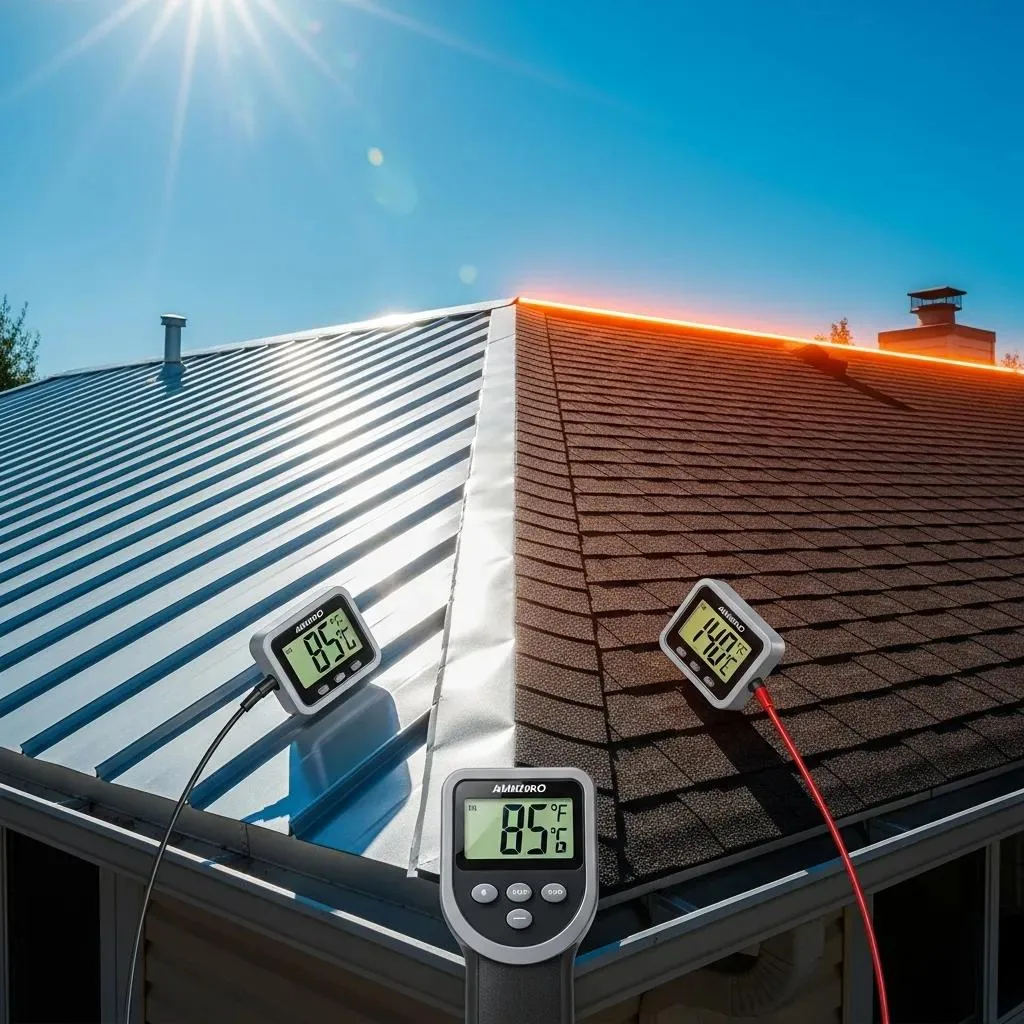
Metal roofs generally reflect more solar energy and have higher emissivity than standard asphalt shingles, which can reduce peak cooling loads when combined with proper attic insulation and ventilation. Asphalt shingles absorb more heat unless you choose “cool shingles,” which help but usually don’t match metal roofing’s reflectivity. The table below compares energy and end‑of‑life attributes for a quick environmental snapshot.
| Material | Reflectivity / Emissivity | End-of-Life / Recyclability |
|---|---|---|
| Metal Roof | High reflectivity; coatings improve emissivity | Highly recyclable; many panels repurposed |
| Asphalt Shingles | Lower reflectivity; cool options available | Often landfilled unless recycled into road mix or other products |
| Environmental Consideration | n/a | Manufacturing energy and material sourcing vary by product |
For homeowners focused on sustainability, metal’s efficiency and recyclability are strong selling points. Here are the main ways metal can reduce energy use and waste.
- Reflective coatings: Light colors and specialty coatings cut solar heat gain.
- Emissivity: Metal sheds absorbed heat faster than many asphalt surfaces.
- Recyclability: Metal panels are commonly recycled at end of life, reducing landfill waste.
These factors can produce measurable cooling savings in many climates and a smaller long‑term environmental footprint compared with conventional asphalt. Balance these benefits against cost and expected lifespan when prioritizing sustainability.
Why Are Metal Roofs More Energy Efficient?
Metal roofs reduce cooling loads by reflecting more solar energy and releasing heat faster than many asphalt surfaces. Coatings and lighter colors boost reflectivity, and a ventilated roof assembly increases effectiveness by keeping hot air out of living spaces. Exact savings depend on climate and house design, but metal roofs often show noticeable improvements during peak heat. If energy use and indoor comfort matter, metal is worth considering.
What Are the Environmental Benefits and Drawbacks of Each Material?
Metal’s long life and recyclability lower embodied waste and reduce landfill contribution, though metal production uses more upfront energy than asphalt. Asphalt shingles are petroleum‑based and commonly end up in landfills unless recycled into paving materials. Choosing products with recycled content, extended warranties, and responsible manufacturing practices can reduce the net environmental impact for either material. Consider both operating energy and end‑of‑life options when deciding.
What Should Traverse City Homeowners Know About Choosing Between Metal and Asphalt Roofing?
In Traverse City, prioritize snow‑shedding performance, freeze‑thaw resilience, ice‑dam prevention, and wind resistance—our winters drive many roof issues. Roof pitch, properly installed snow guards for metal roofs, thorough attic insulation, and correct drip edges and flashing for asphalt systems all affect longevity here. Use the checklist below to guide your choice for local conditions.
- Snow management: Metal sheds snow more easily but needs snow‑retention systems to prevent sudden slides.
- Ice‑dam prevention: Proper insulation and ventilation reduce ice‑dam risks for any roof type.
- Hail and wind: Choose materials and fastening patterns rated for local wind and hail exposure.
Following these local best practices reduces weather‑driven damage and helps you pick the right material for your home. That leads naturally to the contractor services and warranty support you’ll want after a storm.
How Does Local Weather Affect Roof Longevity and Performance?
Heavy snow, freeze‑thaw cycles, and wide seasonal swings speed up granule loss on shingles and can stress seams and fasteners on all roof types. Metal roofs shed snow, lowering static load, but need proper detailing—like snow guards—to avoid dangerous slides that can harm gutters or create hazards. Asphalt roofs are more prone to freeze‑thaw lift and adhesive failure where ventilation or ice mitigation is insufficient. Regular inspections after winter storms and proactive maintenance go a long way toward extending any roof’s life here.
How Can Falcon Roofing Support Insurance Claims and Provide Warranties?
Falcon Roofing serves Traverse City and Northern Michigan and helps homeowners with inspections, documentation, and repair coordination to support insurance claims after storm events. We offer workmanship coverage and explain manufacturer warranties so you know what’s covered. Our services include emergency roof repairs, detailed damage estimates, and assistance filing claims to speed resolution. Contacting a local contractor early can simplify the claims process and protect your roof’s long‑term value.
Frequently Asked Questions
What are the maintenance requirements for metal roofs compared to asphalt shingles?
Metal roofs generally need less frequent maintenance because they resist many weather‑related issues. Periodic checks for loose fasteners, worn sealant, or corrosion in exposed areas are recommended. Asphalt shingles need more regular inspections for granule loss, curling, or wind and ice damage. For both systems, keep gutters clear and ensure proper attic ventilation—those simple steps extend life and lower repair costs.
How do local building codes affect roofing material choices?
Local codes can set requirements for wind resistance, fire rating, and energy performance, which affect which roofing options are acceptable. Check with your local building department or your contractor before choosing materials. In high‑wind or severe‑weather zones, code and insurance considerations may favor more robust systems like metal. Compliance protects safety and can influence insurance and resale value.
Can I install a metal roof over existing asphalt shingles?
Often you can install a metal roof over existing shingles, which saves on tear‑off and disposal costs. However, local codes and manufacturer guidelines sometimes require removal for proper installation. Adding metal over shingles also changes attachment details and adds weight, so a professional inspection of the roof deck is essential. Consult a roofing pro to determine the best, code‑compliant approach for your home.
What are the aesthetic options available for metal roofing?
Metal roofing comes in many styles and finishes—standing seam, corrugated panels, and metal tiles that mimic slate or shakes are all options. There’s a broad color palette and specialty coatings that improve durability and appearance. That variety makes it easier to match your home’s architecture while getting metal’s performance benefits.
How does the installation process differ between metal and asphalt roofing?
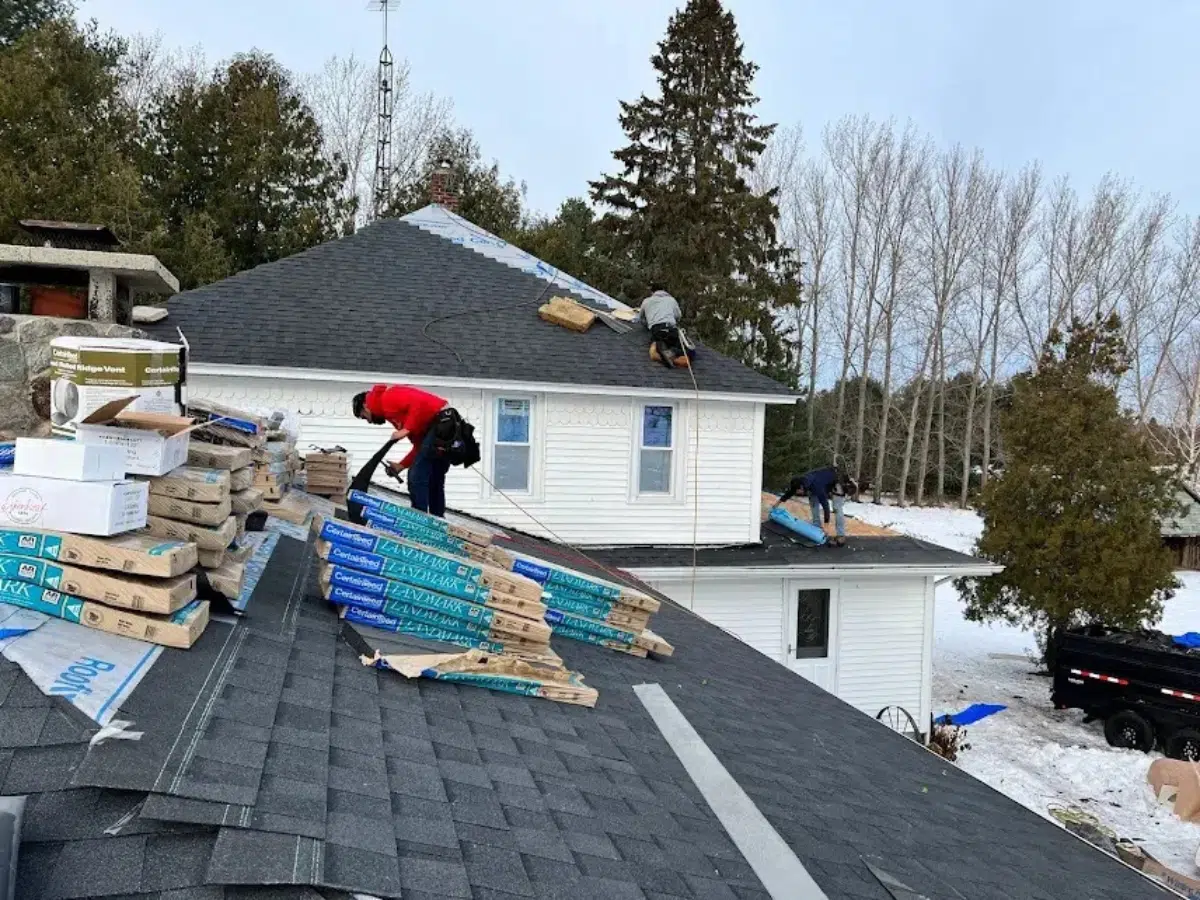
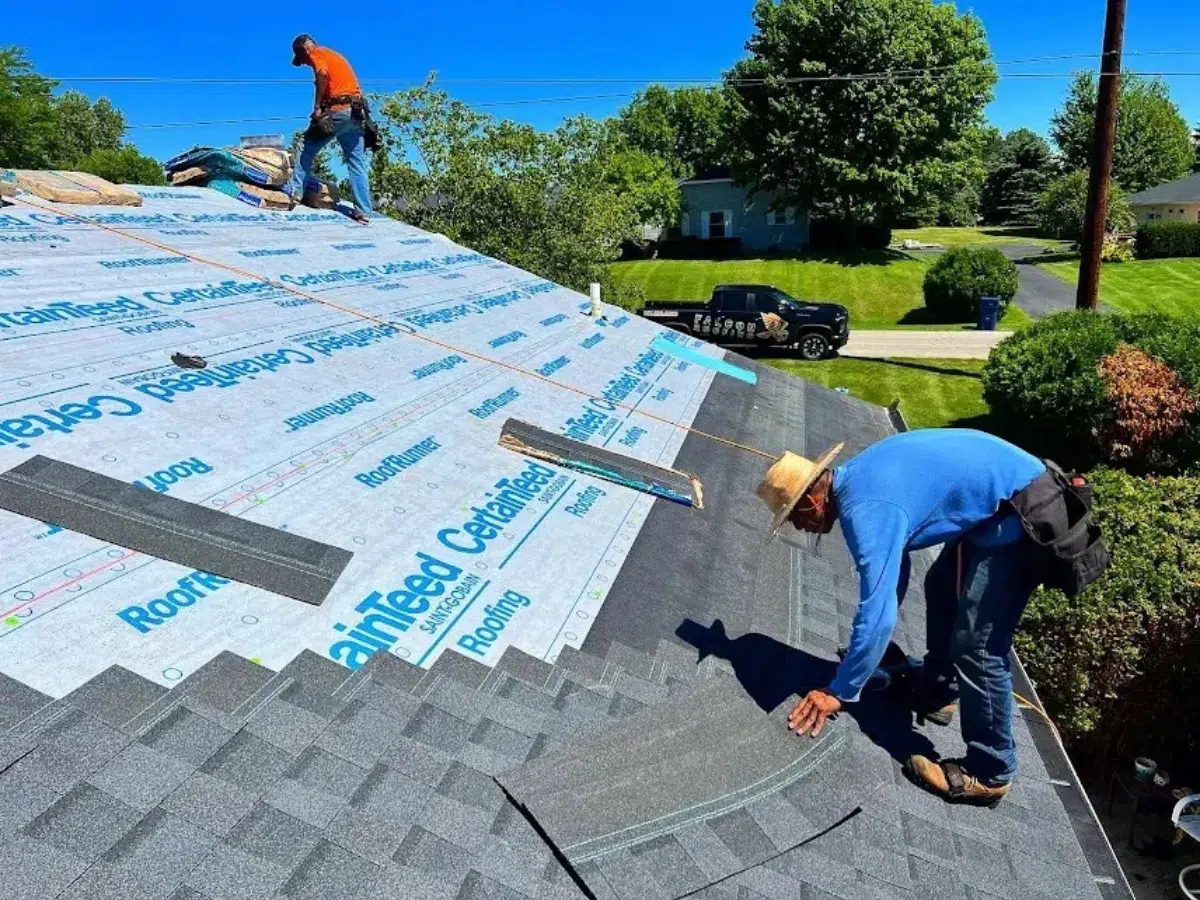
Metal installation uses specialized fasteners, precise panel alignment, and careful flashing to ensure watertight seams and proper drainage. Asphalt shingles are generally faster to install with standard nails and simpler flashing methods. Because metal work is more technical, labor costs are often higher, but the long‑term durability can make it a worthwhile investment.
What are the potential resale value impacts of choosing metal roofing?
Metal roofing can boost resale value thanks to its longevity, energy efficiency, and low maintenance. Many buyers appreciate a long‑lasting roof and transferable warranties. Some buyers still prefer traditional shingles, so consider local market tastes when evaluating resale impact. In many Northern Michigan neighborhoods, durability and performance make metal an attractive selling point.
Are there any financing options available for roofing projects?
Yes—many contractors, including Falcon Roofing, offer financing, payment plans, or work with lenders to make higher‑quality materials more affordable. Manufacturers sometimes run promotional financing or rebates too. Ask about available options when you request an estimate so you can compare total project cost and payment choices.
Conclusion
Your choice between metal and asphalt affects longevity, comfort, and long‑term cost. Metal delivers superior durability and energy performance, while asphalt offers a lower upfront price. By weighing lifespan, maintenance, energy impact, and local weather factors, you can choose the roof that best fits your home and budget. For personalized advice and a free, no‑obligation estimate, get in touch with Falcon Roofing — we’re here to help Traverse City homeowners make the right call.